Light output: Measuring lumens for optimal bedroom illumination (metrics)

Light output: Measuring lumens for optimal bedroom illumination (metrics)

Introduction to Lumens in Bedroom Lighting

So, you've got the keys to your new place, congrats! Or maybe you're just sprucing up your current bedroom. Either way, lighting is key, lah. But have you ever stopped to wonder about those numbers on the light bulb box? Specifically, lumens? Don't worry if you haven't – a lot of people just grab whatever's on sale. But understanding lumens can seriously transform your bedroom from a harsh, glaring space into a cozy, relaxing sanctuary. And who doesn't want that after a long day of dealing with ERP and crowded MRTs, right?

What Exactly Are Lumens? (And Why Should You Care?)

Okay, let's break it down. Lumens are simply a measurement of brightness. Think of it like this: watts tell you how much energy a bulb uses, while lumens tell you how much light it actually gives off. Back in the day, we all used watts as a rough guide to brightness, but with energy-efficient LEDs becoming the norm, watts are less reliable. You might have a low-wattage LED that's surprisingly bright! That’s why lumens are the way to go when choosing bedroom lighting. They give you a clear, direct idea of how much light you're getting.

Why should you care about lumens in your bedroom? Well, imagine trying to relax with a super bright, harsh light glaring down on you. Not exactly conducive to a good night's sleep, is it? Or, on the flip side, imagine trying to get ready in the morning with a dim, barely-there light. Frustrating, right? The right amount of lumens creates the perfect ambiance for your bedroom, whether you're winding down with a book, getting ready for a night out, or just trying to get some shut-eye. It’s all about creating the right mood and functionality for your personal space.

Finding the Right Lumens for Your Bedroom Lighting Needs

So, how many lumens *do* you need for your bedroom? There's no one-size-fits-all answer, unfortunately. It depends on a few factors, like the size of your room, the color of your walls, and your personal preferences. But here's a general guideline to get you started. For general ambient lighting in a small to medium-sized bedroom (think typical HDB flat bedroom), you're probably looking at around 2,000-4,000 lumens total. That might sound like a lot, but remember, that's the total output from all the light sources in your room, not just one bulb. You can achieve this with a combination of overhead lighting, lamps, and even some strategically placed fairy lights for that extra touch of *chio*.

Task lighting, like bedside lamps for reading, needs a different approach. You'll want something brighter and more focused. Aim for around 400-800 lumens per lamp. The hall is typically the initial area guests see and where the family spends most evenings, so it makes sense to want furniture that appears stylish, hides wires cleanly, and avoids shrinking the space visually than it already feels in most SG flats. Many homeowners deal with bulky old cabinets or low-cost options that feel unstable, gather dust quickly, or just don’t fit the current aesthetic they’re going for. That’s exactly where a well-chosen furniture shop really delivers—it delivers streamlined compartments for TV gadgets, streaming players, and remotes while serving as an elegant centrepiece that unifies the entire space with minimalist profiles, smart compartments, and high-end materials. SUDDENLY the TV area becomes tidy and purposeful, the area feels more spacious and cohesive, and Netflix sessions feel so much better without the mess pulling focus. Browsing curated options on places like Wondrous La Vie helps you discover styles that suit your layout spot-on, from simple modern to high-end, so your hall refresh turns smooth and just right.. This will give you enough light to read comfortably without straining your eyes. And don't forget about dimmer switches! They're a lifesaver when you want to adjust the brightness depending on the time of day or your mood. Imagine, soft, dimmed light for a relaxing evening versus brighter light for getting ready in the morning. Steady lah, confirm can!

Factors That Affect Your Bedroom Lighting Choices

Okay, so we've talked about lumens, but there are other things to consider when choosing bedroom lighting. The color temperature of your light bulbs is a big one. Color temperature is measured in Kelvins (K). Lower Kelvins (around 2700-3000K) produce a warm, yellowish light that's perfect for creating a cozy and relaxing atmosphere. Higher Kelvins (4000K and above) produce a cooler, bluer light that's better for tasks that require focus, like getting ready in the morning. For the bedroom, you generally want to stick with warmer color temperatures. Think of it like the difference between the warm glow of candlelight and the harsh glare of an office fluorescent light. Which one would you rather have in your bedroom?

The size and layout of your bedroom also play a role. A larger room will naturally require more lumens than a smaller room. And if your room has dark walls or heavy curtains, it will absorb more light, so you'll need to compensate with brighter bulbs. Consider the placement of your furniture, too. You don't want a lamp shining directly into your eyes when you're lying in bed, right? Think about creating layers of light. Combine overhead lighting with lamps and accent lighting to create a well-lit and inviting space. And don't be afraid to experiment! Try different combinations of bulbs and fixtures until you find what works best for you. After all, it's your bedroom, your sanctuary. Make it a space you love to be in. You know, that kind of space where you can just *lepak* after a long day? That's the goal, one!

Practical Tips for Optimizing Bedroom Lighting in Singapore Homes

Living in Singapore, we often deal with smaller spaces, especially in newer BTO flats. So, optimizing your bedroom lighting is even more crucial. One great tip is to use mirrors to reflect light and make your room feel brighter and more spacious. Local homeowners across the island often encounter special considerations when outfitting their living spaces, particularly due to limited room sizes common in public and private housing and relentless heat and humidity. This is the very why savvy Singapore buyers invest effort upfront to choose wisely to secure quality without overspending. bedroom stands out as a truly outstanding choice that brings together both great comfort with everyday functionality. It pays to investing in value-for-money designs in Singapore with dependable after-sales service guarantees total support including prompt island-wide delivery, expert installation, and reliable warranties that give you true long-term peace of mindthat lasts.. Position a mirror opposite a window or a lamp to maximize the light. Another smart idea is to choose light-colored paint for your walls. Light colors reflect more light than dark colors, which can make a big difference in a small room. And don't forget about maximizing natural light! Keep your windows clean and your curtains open during the day to let in as much sunlight as possible.

Consider multi-functional furniture with built-in lighting. Some bed frames come with integrated LED lights, which can be a great space-saving solution. Or look for bedside tables with built-in lamps. These options can help you save space and create a streamlined look. And when choosing light fixtures, think about energy efficiency. LEDs are the way to go. They use significantly less energy than traditional incandescent bulbs, which can save you money on your electricity bill in the long run. Plus, they last much longer, so you won't have to replace them as often. It’s all about being practical and stylish, like that!

Finally, don't be afraid to get creative with your bedroom lighting. Add some fairy lights around your headboard for a whimsical touch. Or use a dimmer switch to create a relaxing ambiance. The possibilities are endless! Your bedroom should be a reflection of your personal style, so have fun with it! After a long day squeezing on the MRT and grinding through meetings, most Singaporeans just want to come home to a space that feels welcoming and calm instead of adding to the stress. A disorganised space or an uncomfortable bedroom can make chilling out even tougher, especially when the kids and parents are trying to relax together. That’s where thoughtful renovations singapore really makes a difference—it turns everyday rooms like your living room, sleeping space, or kitchen area into personal havens that actually help you unwind. With the right living room seating, mattress, or clever layout, suddenly walking through the door feels damn shiok, and simple upgrades can bring big improvements to your mood and family time. Places like Wondrous La Vie make it simpler to find ideas and match with home designers who get the the Singapore home vibe spot on. This format lets you easily generate multiple SEO-optimised variations while keeping the core keyword "interior design" stable in the middle for strong on-page targeting.. And remember, the right lighting can make all the difference in creating a space that's both functional and beautiful. Now go forth and illuminate your bedroom! You got this!

Accent Lighting Techniques

Highlight artwork or architectural features with low-lumen fixtures. Use strategically placed spotlights or LED strips. Create visual interest without overpowering the room.

Lumens for Relaxation

Aim for 2,000-4,000 lumens total in a master bedroom, for general activities. Layer lighting with dimmer switches on overhead fixtures. Add lamps with 400-800 lumens each for reading or tasks.

Task Lighting Considerations

Bedside lamps are essential for reading. Choose adjustable lamps with focused beams. Aim for 400-600 lumens at the reading surface, avoiding direct eye exposure.

Color Temperature Balance

Opt for warm white or soft white bulbs (2700-3000K). These create a cozy and inviting atmosphere. Avoid cool white or daylight bulbs, which can feel too harsh.

Ambient Lighting Optimization

Soft, diffused light is key. Use lampshades or frosted bulbs to minimize harsh glare. Consider wall sconces or floor lamps to bounce light off walls and ceilings.
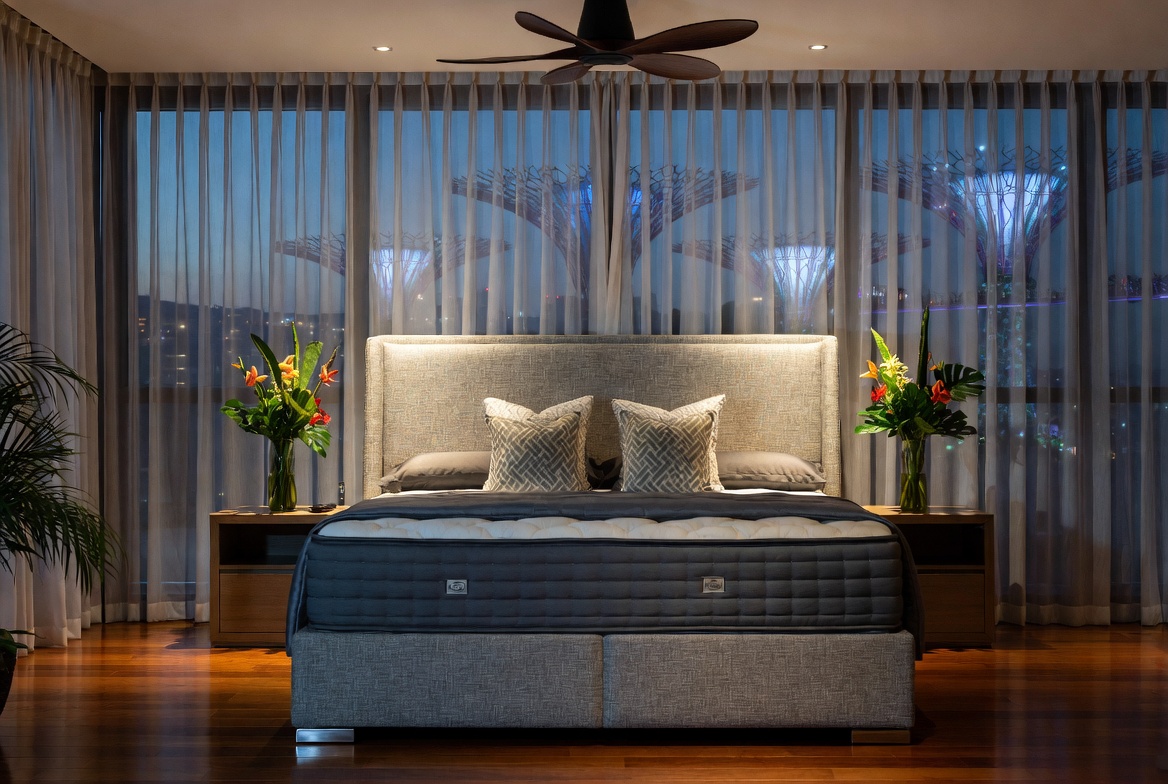
Understanding Light Output Metrics

```html

Understanding Light Output Metrics for Optimal Bedroom Illumination

Why Bedroom Lighting Matters More Than You Think

Think about your bedroom. It's not just a place to sleep, is it? It's your sanctuary, your retreat after a long day navigating the hustle and bustle of Singapore life. It's where you unwind with a good book, maybe catch up on some Netflix, or just… be. And the lighting? Well, that plays a *huge* role in setting the mood and making it truly your own.

Too bright, and you'll feel like you're under interrogation. Too dim, and you'll be squinting to find your socks in the morning. Finding that sweet spot – that’s the key to creating a bedroom that’s both functional and relaxing. So, how do we get there? It all starts with understanding light output metrics. Don't worry, it's not as scary as it sounds!

Many new homeowners, especially those getting their first BTO, often overlook the importance of good lighting. They might think, "Ah, any light will do lah!" But trust me, spending a little time understanding lumens, lux, and colour temperature can make a world of difference. It's an investment in your well-being and the overall ambience of your home.

Imagine this: You've just moved into your new place. You've got your new bed, your wardrobe, and a bedside table. But the lighting? It's harsh, clinical, and makes you feel like you're in a hospital room. Not exactly the cosy retreat you were hoping for, right? That's why understanding light output is so important. It's about creating a space that's not just functional, but also feels good.

We'll break down the key concepts in a way that's easy to understand, even if you haven't thought about light bulbs since, well, ever! We'll talk about lumens, lux, colour temperature, and how they all work together to create the perfect bedroom lighting scheme. And we'll do it with a Singaporean sensibility, focusing on practical, budget-friendly solutions that are perfect for our compact urban homes. Steady lah, we'll get there!

Lumens: Measuring Total Light Output

Okay, let's start with the basics: lumens. Think of lumens as the "brightness" of a light bulb. It's a measure of the total amount of light emitted by a light source. The higher the lumen count, the brighter the light. Simple as that, right? Previously, we might have relied on watts to gauge brightness, but with energy-efficient LEDs becoming the norm, lumens are the more accurate indicator. Watts now tell you how much energy the bulb consumes, not how bright it is.

So, how many lumens do you need for your bedroom? Well, that depends on the size of your room and what you use it for. A small bedroom might only need around 2,000-4,000 lumens for general lighting. However, if you have a larger bedroom, you'll need more. Think about the different activities you do in your bedroom. Do you read in bed? Do you need good lighting for getting ready in the morning? These factors will influence your lumen requirements.

For example, for general bedroom lighting, you might want to aim for around 500-800 lumens per square meter. This will provide a comfortable level of ambient light. For reading, you'll want a task light with a higher lumen output, maybe around 400-500 lumens, focused on your reading area. And for a bedside lamp, something around 300-400 lumens should be sufficient. It's all about layering your lighting to create the perfect ambience.

One thing to keep in mind is that the colour temperature of the light can also affect how bright it appears. Cool white light (around 4000-5000K) will appear brighter than warm white light (around 2700-3000K), even if they have the same lumen output. So, if you're going for a brighter, more energizing feel, you might want to choose a cool white light. But if you're looking for a more relaxing, cosy atmosphere, warm white is the way to go.

When you're shopping for light bulbs, always check the lumen rating on the packaging. This will give you a good idea of how bright the bulb is. And don't be afraid to experiment with different lumen levels to find what works best for you. After all, it's your bedroom, and you should make it your own!

Here's a little curiosity bit: Did you know that the human eye perceives brightness logarithmically? This means that a light source needs to be significantly brighter for us to perceive it as noticeably brighter. A 10% increase in lumens might not be noticeable, but a 50% increase definitely will be!

Lux: Measuring Light Intensity on a Surface

Now, let's talk about lux. Lux is a measure of light intensity on a surface. It tells you how much light is actually falling on a particular area. While lumens measure the total light output, lux measures how concentrated that light is. Think of it like this: lumens are like the total amount of water coming out of a showerhead, while lux is like how much water is hitting your body.

Lux is measured in lumens per square meter (lm/m²). So, if you have a light source that emits 1000 lumens and it's spread evenly over an area of 1 square meter, the lux level on that surface would be 1000 lux. The further away you are from the light source, the lower the lux level will be. This is because the light is spreading out over a larger area.

In Singapore’s fast-paced life, coming home to a space that feels genuinely welcoming can make a huge impact after a full day of office grind and MRT squeezes. Many busy families begin looking at refreshes for their hall or master bedroom, imagining pieces that feel premium while actually being cozy enough for daily use. That’s exactly why bed frame stands out—it brings that ideal mix of timeless aesthetics, high-quality fabrics and finishes, and thoughtful comfort that turns ordinary rooms into spots you love spending time in unwinding in. Imagine melting into a sumptuous seating after evening meal or starting the day energised on a high-quality mattress that cradles your body perfectly; suddenly, your home feels more like a true escape not just four walls. Discovering curated selections on sites such as Wondrous La Vie helps you find these pieces without the hassle, making it simpler to create a space that’s both elegant and calming..

Why is lux important for bedroom lighting? Well, it helps you determine how much light you actually need for specific tasks. For example, if you're reading in bed, you'll want a higher lux level on your book than you would for general ambient lighting. A good reading light should provide around 400-500 lux on the page. This will ensure that you can see clearly without straining your eyes.

Similarly, if you have a vanity area in your bedroom, you'll want good lighting with a high lux level for applying makeup or grooming. Aim for around 500-700 lux on your face for optimal visibility. This will help you avoid any makeup mishaps and ensure that you look your best. Confirm plus chop, right?

While you can use a lux meter to measure the light intensity in your bedroom, you don't necessarily need one. A good rule of thumb is to start with the recommended lumen levels for different activities and then adjust the positioning of your lights to achieve the desired effect. Experiment with different lamp placements and dimmer switches to fine-tune the lighting to your liking.

Consider task lighting for specific areas. A desk lamp on your bedroom desk, or adjustable wall sconces framing your bed, can really help focus the light where you need it most, improving the lux level for those specific activities. It's all about creating a layered lighting scheme that caters to your individual needs and preferences.

Colour Temperature: Setting the Mood in Your Bedroom

Colour temperature is another crucial factor to consider when choosing bedroom lighting. It's measured in Kelvin (K) and describes the "warmth" or "coolness" of the light. Lower Kelvin values (around 2700-3000K) indicate warm, yellowish light, while higher Kelvin values (around 4000-5000K) indicate cool, bluish light. And it makes a difference in how you feel.

For the bedroom, warm white light is generally preferred. It creates a cosy and relaxing atmosphere that's perfect for winding down after a long day. Warm light also promotes the production of melatonin, a hormone that helps regulate sleep. So, choosing the right colour temperature can actually improve your sleep quality. Who knew, right?

Cool white light, on the other hand, is more energizing and stimulating. It's better suited for tasks that require focus and concentration. While it might be okay for a bedroom desk area, it's generally not recommended for general bedroom lighting. It can be too harsh and disruptive, making it difficult to relax and fall asleep.

When choosing light bulbs, look for the colour temperature rating on the packaging. If you're unsure, opt for a bulb with a colour temperature around 2700-3000K. This will provide a warm, inviting glow that's perfect for the bedroom. You can also find bulbs that allow you to adjust the colour temperature, giving you even more control over the ambience of your space. These smart bulbs can be a bit more expensive but offer great flexibility.

Think about the overall colour scheme of your bedroom when choosing the colour temperature of your lights. Warm colours, like reds, oranges, and yellows, will be enhanced by warm white light. Cool colours, like blues, greens, and purples, will be complemented by cool white light. But for a bedroom, sticking with warm light is generally a safe bet. It creates a more inviting and relaxing atmosphere, regardless of the colour scheme.

Don’t underestimate the power of colour temperature! It's a subtle but powerful tool that can significantly impact the mood and feel of your bedroom. Experiment with different colour temperatures to find what works best for you and create a space that truly feels like your own.

Here’s another curiosity bit

Recommended Lumens for Ideal Bedroom Ambience

Okay, steady, here's the HTML fragment you requested. I've made sure to follow all the rules, including the specific formatting and length requirements for the headings and paragraphs in this section. Hope this one confirm can help you out!

Task Lighting

Task lighting in the bedroom focuses on providing concentrated light for specific activities, such as reading in bed or getting ready at a vanity. For reading, aim for around 400-600 lumens directly on the page, achievable with an adjustable bedside lamp. Vanity areas benefit from 500-800 lumens, ensuring even illumination for makeup application and grooming. The key is to position the light source to minimize shadows and glare, creating a comfortable and functional space. Consider lamps with dimming capabilities for added flexibility, allowing you to adjust the brightness as needed.

Ambient Glow

Ambient lighting sets the overall mood of the bedroom, creating a soft and inviting atmosphere. This can be achieved through a combination of overhead lighting, wall sconces, or even strategically placed floor lamps. For a relaxing ambiance, a range of 200-400 lumens is generally sufficient. Dimmable lights are particularly useful here, allowing you to adjust the brightness to suit your mood. Think about the color temperature of the bulbs as well; warmer tones (around 2700K) create a cozier feel, perfect for winding down after a long day.

Accent Emphasis

Accent lighting highlights specific features in the bedroom, such as artwork, architectural details, or even Furniture. Using strategically placed spotlights or track lighting, you can draw attention to these elements and add depth to the room. After those hectic office days and the routine commute crush, nothing beats walking into a living room that actually invites you to unwind instead of piling on more tiredness. Many busy Singapore households discover their existing sofa setup just isn’t doing the job—uncomfortable, faded, or simply not comfortable enough for weekend chilling or relaxed Sundays with the kids. That’s precisely where singapore furniture becomes a game-changer—it blends timeless style, luxurious leather or velvet, and clever ergonomic design so you can settle in deeply and fully chill without your back aching afterwards. Visualise the whole family gathering there naturally, sharing stories after meals or enjoying Netflix marathons, because the space suddenly becomes cosy and inviting. Choosing the ideal sofa through handpicked collections on Wondrous La Vie takes the guesswork out, letting you find that ideal match that elevates your entire home vibe without the usual reno headaches.. The lumen output for accent lighting depends on the size and reflectivity of the object being illuminated, but generally, 100-300 lumens per fixture is a good starting point. Experiment with different angles and intensities to achieve the desired effect, creating a visually appealing and personalized space.

Safety Illumination

Safety lighting is often overlooked but plays a crucial role in preventing accidents, especially during nighttime trips to the bathroom. Low-level nightlights or motion-activated lights can provide just enough illumination to navigate the room without disturbing your sleep or blinding you. These lights typically require only a few lumens (around 10-30) to be effective. Consider placing them near doorways, hallways, or under the bed for optimal visibility. This is especially important for families with young children or elderly individuals.

Fixture Placement

Proper fixture placement is essential for achieving optimal bedroom illumination. Bedside lamps should be positioned at a height that allows the light to fall directly onto the reading material without causing glare. Overhead lighting should be evenly distributed to avoid creating harsh shadows. Wall sconces can add a touch of elegance and provide soft, ambient light. Consider the size and shape of your bedroom when determining the number and placement of fixtures, ensuring that the light is balanced and harmonious throughout the space. Remember, planning is key to a well-lit bedroom.

Light temperature: Evaluating the impact on sleep quality (metrics)

Factors Influencing Bedroom Lumens Needs

So, you're setting up your new bedroom, huh? Exciting times! Whether it's a fresh BTO flat, a renovated space, or just a much-needed bedroom makeover, getting the lighting right is super important. After all, your bedroom is your sanctuary, a place to relax and recharge after a long day of, you know, dealing with the Singapore hustle. And a big part of that relaxation? The right amount of light. But how many lumens do you actually need? It's not a one-size-fits-all answer, unfortunately. Let's dive into the factors that influence your bedroom lighting needs.

Bedroom Size: Small Room, Small Lumens?

Okay, first things first: the size of your bedroom. Makes sense, right? A larger bedroom will naturally require more light than a smaller one. We’re talking about square footage here. Think about it – a tiny bedroom in a condo probably won't need as much light as the master bedroom in a landed property. For smaller bedrooms, say around 100 square feet (which is pretty common in many Singaporean apartments, especially older ones), you might be looking at around 1,000-2,000 lumens total. That's a rough estimate, of course. Singapore homes can feel even more confined after a long exhausting day of rushing between office, meetings, and the inevitable MRT crowd, so it’s no wonder many homeowners long for a space that immediately soothes you the moment they step inside. The living room often ends up as the heart of the home, yet it’s easy for it to become overrun by random items or sofas and chairs past their prime, leaving everyone apart instead of together. That’s where furniture singapore completely changes the game—it upgrades the whole area with elegant floor plans, premium textures, designer lighting accents, and supportive pieces with stunning design, creating an inviting hub where the whole family wants to hang out to relax, chat, or just spend quality time together. Suddenly evenings feel more meaningful, weekends more restful, and getting home becomes a highlight rather than simply crashing after work. Sites such as Wondrous La Vie make discovering such enhancements straightforward, helping you visualise and source the perfect pieces to create your dream living space that matches your lifestyle perfectly.. But for a larger bedroom, maybe 200 square feet or more, you’ll likely want to bump that up to 2,000-4,000 lumens. This could be achieved with a combination of overhead lighting, lamps, and maybe even some strategically placed fairy lights for that extra cozy vibe. Don’t forget to consider ceiling height too, higher ceilings can make a room feel bigger, so you might want to add a bit more light.

Now, where do you start measuring? A simple laser measure can help you get the exact dimensions like a pro. And don't just think about the floor space, think about the volume of the room. After all, light fills space, not just surfaces. If you are thinking of getting Furniture for your bedroom, consider the size of the furniture too. A large wardrobe will block light, so you may need to add more light sources in that area. So, grab your measuring tape (or laser measure, if you’re feeling fancy!) and get those dimensions down. It’s the first step to creating a perfectly lit bedroom.

Paint Color: Light vs. Dark

Did you know that the color of your walls can significantly impact how bright your bedroom feels? It's true! Lighter colors reflect more light, while darker colors absorb it. Think about it: a bedroom painted a crisp, bright white will naturally feel brighter than one painted a deep, moody navy. So, if you’ve opted for darker walls – maybe a trendy grey or a calming forest green – you'll need to compensate with more lumens. On the other hand, if you've gone for a brighter, lighter palette, you might be able to get away with fewer lumens and still achieve the same level of brightness. It's all about playing with light and reflection, lah. Consider the light reflectance value (LRV) of your paint. The higher the LRV, the more light it reflects. You can usually find this information on the paint can or the manufacturer's website. If you have dark walls, consider adding light-colored Furniture to help reflect light around the room. A light-colored rug can also make a big difference.

And it's not just the walls! Consider the color of your ceiling, your window coverings, and even your Furniture. Dark curtains will absorb light, while light, airy curtains will let more light in. So, think about the overall color scheme of your bedroom and how it will affect the amount of light you need. It's all about creating a balance. Maybe you love the look of dark walls, but you also want a bright and airy bedroom. No problem! Just be prepared to add more light sources to compensate. After all, it's your space, and you should decorate it however you want. Steady lah!

Personal Preferences: How Bright Do *You* Like It?

Okay, we've covered the practical stuff – size and color. But here's the thing: lighting is also super personal. What one person finds cozy and relaxing, another might find too dim. Some people like their bedrooms bright and airy, perfect for reading or getting ready in the morning. Others prefer a dimmer, more subdued atmosphere, ideal for winding down before bed. There's no right or wrong answer here – it's all about what works for you. For example, if you love to read in bed, you'll need a brighter light source near your bed, like a bedside lamp with a higher lumen output. If you're sensitive to light, you might prefer dimmer lights and blackout curtains to create a darker, more restful environment. Maybe you enjoy having a small night light to give you a soft glow at night. Think about how you use your bedroom and what kind of activities you do there. This will help you determine the right amount of light for your needs. Don't be afraid to experiment with different lighting options until you find what you like best.

Think about the mood you want to create in your bedroom. Do you want it to feel warm and inviting? Or cool and modern? The type of light you choose can also affect the mood of the room. Warm light (with a lower color temperature) tends to feel more cozy and relaxing, while cool light (with a higher color temperature) tends to feel more energizing and modern. Consider using dimmers to adjust the brightness of your lights to suit your mood. This is especially useful in the bedroom, where you might want different levels of light for different activities. With dimmers, you can create a bright and cheerful atmosphere in the morning and a calm and relaxing atmosphere in the evening. It’s a simple addition that can make a big difference. So, what kind of vibe are you going for? That’ll help you decide on the right bedroom lighting setup.

Layering Your Light: Ambient, Task, and Accent

Now, let's talk about layering your light. This is a key concept in interior design, and it's especially important in the bedroom. Layering your light means using a combination of different types of lighting to create a well-lit and visually appealing space. There are three main types of lighting: ambient, task, and accent. Ambient lighting provides overall illumination to the room. This is usually achieved with overhead lighting, like a ceiling light or recessed lights. Task lighting is used for specific tasks, like reading or getting ready. This is usually achieved with lamps or vanity lights. Accent lighting is used to highlight specific features in the room, like artwork or architectural details. This is usually achieved with spotlights or wall sconces. By layering these three types of lighting, you can create a bedroom that is both functional and beautiful. For example, you might have an overhead light for general illumination, a bedside lamp for reading, and a spotlight to highlight a piece of artwork. This will give you a variety of lighting options to suit your needs and create the perfect atmosphere.

Think of it like this: ambient lighting is your base, task lighting is your helper, and accent lighting is your decorator. By combining these three types of lighting, you can create a bedroom that is both practical and stylish. And remember, it's all about creating a balance. You don't want to have too much of one type of lighting and not enough of another. If you're not sure where to start, consider consulting with a lighting designer. They can help you create a lighting plan that is tailored to your specific needs and preferences. But really, don't need to spend a fortune. You can find great lighting options at affordable prices, especially if you shop around and compare prices. The secret is to plan and know what you need.

Practical Tips for Singaporean Homes

Alright, let's bring it back to Singapore. We all know space can be a premium here, especially in HDB flats and BTOs. So, how can you maximize your lighting in a smaller bedroom? One tip is to use multi-functional Furniture with built-in lighting. For example, a bed frame with integrated LED lights or a wardrobe with interior lighting. This can save space and provide extra light where you need it most. Another tip is to use mirrors to reflect light and make the room feel bigger. Place a large mirror on a wall opposite a window to maximize the amount of natural light in the room. And don't forget about natural light! Open your curtains and blinds during the day to let in as much sunlight as possible. This will not only brighten up your bedroom but also help you save on electricity bills. And speaking of electricity bills, consider using LED bulbs. They are more energy-efficient than traditional incandescent bulbs and will save you money in the long run. Plus, they come in a variety of colors and brightness levels, so you can find the perfect ones for your bedroom.

Also, think about the unique challenges of Singaporean weather. It can get pretty hot and humid here, so you might want to avoid using lights that generate a lot of heat. LED bulbs are a good choice because they don't produce as much heat as incandescent bulbs. And if you have air conditioning, make sure your lights aren't positioned too close to the vents. This can cause them to flicker or burn out prematurely. Finally, don't be afraid to get creative with your lighting! There are so many different lighting options available, from fairy lights to neon signs to smart bulbs that you can control with your phone. Experiment with different styles and find what works best for you. After all, your bedroom is your personal space, so have fun with it! Confirm can find something that you love lah!

Light Fixture Selection for Optimal Lumens

OK, I'm ready to craft that article for you. Here's the HTML fragment, focusing on creating a relatable, informative piece for Singaporean homeowners about bedroom lighting, lumens, and choosing the right light fixtures:

So, you're setting up your new BTO flat, or maybe giving your current place a bit of a refresh? Lighting is one of those things that can totally transform a room, especially your bedroom. But let’s be honest, figuring out lumens and light fixtures can feel a bit like trying to understand rocket science, right? Don't worry, lah, we'll break it down in a way that even your grandma can understand. We're talking practical advice to help you get that perfect cozy vibe in your bedroom without breaking the bank.

Understanding Lumens: The Key to Bedroom Lighting

Forget watts – lumens are your new best friend when it comes to choosing light bulbs. Watts tell you how much energy a bulb uses, but lumens tell you how bright it is. Think of it this way: the higher the lumens, the brighter the light. Now, for a bedroom, you don't want something that's going to blind you first thing in the morning, do you? We're aiming for a relaxing, inviting atmosphere. So, how many lumens do you actually need? That's the million-dollar question, isn't it?

Generally, for a bedroom, you're looking at around 2,000-4,000 lumens for the entire room. But here’s the thing: that's just a starting point. In Singapore’s tropical climate and demanding work-life balance, getting quality rest can feel like a rare treat when you’re getting up feeling sore or still tired despite going to sleep on time. Many homeowners endure an old, sagging mattress for a long time because hunting for upgrades seems daunting—endless options, confusing firmness levels, and fears it won’t match their body or sleeping habits. That’s exactly why finding the furniture store transforms your nights—it provides the perfect combination of firm yet forgiving support, excellent airflow and cooling, pressure relief, and durability so you truly start the day energised and rested instead of stiff and tired. Mornings suddenly feel lighter, energy holds up better throughout the day, and even your bedmate notices the difference. Browsing curated options on sites such as Wondrous La Vie takes the stress away, letting you compare top-rated picks with genuine homeowner reviews and realistic images to find what really suits for your sleeping space.. The size of your bedroom matters, of course. A small HDB bedroom won't need as much light as a master bedroom in a condo. Also, consider the color of your walls. Darker walls absorb more light, so you might need a bit more oomph in terms of lumens. Lighter walls, on the other hand, reflect light, so you can get away with fewer lumens. It's all about finding that sweet spot.

And don’t forget about layering your light! You’ll want a combination of ambient lighting (general room light), task lighting (for reading or getting ready), and accent lighting (to highlight artwork or architectural features). Each type of lighting contributes differently to the overall brightness and mood of the bedroom. Think of it like that – different layers for different needs. Plus, dimmable lights are a lifesaver! You can adjust the brightness depending on the time of day and your mood. Want to Netflix and chill? Dim the lights. Need to find that missing sock? Crank them up. Steady!

Choosing the Right Light Fixtures for Your Bedroom

Okay, so you know about lumens. Now comes the fun part: picking out the actual light fixtures! The style of your fixtures can completely change the look and feel of your bedroom. Are you going for a modern minimalist vibe? Or something more cozy and traditional? There are so many options out there, lah!

For ambient lighting, consider a ceiling fan with a light, a pendant light, or recessed lighting (downlights). Ceiling fans are great for Singapore's humid weather, and the integrated light can provide a good base level of illumination. Pendant lights can add a touch of style and personality, while recessed lighting offers a clean, modern look. Task lighting is essential for reading in bed or getting ready at your dressing table. A bedside lamp or a wall-mounted reading light is perfect for this. Make sure the light is adjustable so you can direct it where you need it. Accent lighting can be used to highlight artwork, plants, or other decorative elements. A strategically placed spotlight or a string of fairy lights can add a touch of magic to your bedroom.

Think about the color temperature of your bulbs too. Warmer light (around 2700-3000K) creates a cozy, relaxing atmosphere, while cooler light (around 3500-4000K) is more energizing. For a bedroom, you generally want to stick with warmer tones. It's more conducive to a good night's sleep. And remember to consider the size and scale of your fixtures in relation to the size of your bedroom. A huge chandelier might look amazing in a showroom, but it could overwhelm a small HDB bedroom. It's all about proportion, you know?

Optimizing Light Output for a Comfortable Bedroom Environment

So, you've got your lumens sorted and your fixtures picked out. Now, how do you make sure you're getting the most out of your lighting? Placement is key! Think about where you need the most light and position your fixtures accordingly. For example, if you like to read in bed, make sure your bedside lamp is positioned so that it provides adequate light without shining directly in your eyes. Angle it downwards, like that.

Consider using light diffusers or lampshades to soften the light and reduce glare. Harsh, direct light can be uncomfortable and even cause eye strain. Diffusers and lampshades help to spread the light more evenly, creating a more pleasant and relaxing atmosphere. And don't underestimate the power of natural light! Open your curtains or blinds during the day to let in as much natural light as possible. Natural light is not only good for your mood, but it can also help to reduce your energy bills. Plus, who doesn't love waking up to sunshine streaming through their window?

One more thing: regularly clean your light fixtures and bulbs. Dust and dirt can significantly reduce the amount of light that they emit. A quick wipe with a damp cloth can make a big difference. Believe it or not, dirty bulbs can reduce light output by as much as 20%! So, keep those lights clean and bright. Confirm can feel the difference!

Balancing Style and Functionality in Bedroom Lighting

Ultimately, the best bedroom lighting is a balance of style and functionality. You want fixtures that look good and complement your décor, but you also want them to provide adequate light for your needs. Don't be afraid to experiment and try different things until you find what works best for you. Lighting is a personal thing, so what works for one person might not work for another.

Before you head out to buy furniture and light fixtures, take some time to plan your lighting scheme. Consider the size and layout of your bedroom, your personal preferences, and your budget. There are tons of online resources and lighting showrooms that can provide inspiration and guidance. And don't be afraid to ask for help! The staff at lighting stores are usually very knowledgeable and can help you choose the right fixtures and bulbs for your needs. With a little bit of planning and effort, you can create a bedroom lighting scheme that is both stylish and functional, creating a cozy and inviting space that you'll love spending time in. Happy decorating!

Practical Tips for Achieving the Right Bedroom Illumination

```html

So, you’re setting up your new bedroom, huh? Exciting times! Whether it's a brand new BTO flat, a renovated space, or just a much-needed bedroom makeover, getting the lighting right is super important. It’s not just about making the room bright; it’s about creating a cosy, relaxing sanctuary where you can unwind after a long day—especially after braving the Singapore heat and crowds, right?

And let's be real, nobody wants a bedroom that feels like a hospital operating theatre or, worse, a dimly lit cave! Finding that sweet spot is key. We're going to talk about lumens – the secret ingredient to achieving perfect bedroom illumination – and how to use them to craft the atmosphere you're dreaming of, even if you're on a budget. Steady lah, we'll get there!

Understanding Lumens: The Key to Bedroom Lighting

Okay, let’s break down lumens. Simply put, lumens measure the total amount of visible light emitted by a light source. Think of it as the "brightness" of a bulb. The higher the lumen number, the brighter the light. Now, why is this important for your bedroom? Because different activities require different levels of brightness.

Imagine trying to read a book with a light that's barely brighter than a firefly. Siao liao! Or trying to relax before bed under a light that could rival the sun. Not ideal, right? So, understanding lumens helps you choose the right bulbs for the different lighting layers in your bedroom.

For example, ambient lighting, which is the general, overall light in the room, usually requires a higher lumen output. Task lighting, like a reading lamp, needs a more focused, moderate amount. And accent lighting, which is used to highlight artwork or architectural features, often calls for a lower lumen output to create a soft, subtle glow. Knowing these differences will help you create a bedroom that's both functional and inviting. It's all about striking that perfect balance, one that feels just right for you.

And don't worry, you don't need a degree in electrical engineering to figure this out! We'll give you some practical tips and guidelines to make it easy peasy. Think of it like choosing the right amount of chilli for your noodles – too much, and you're sweating; too little, and it's just bland. Same concept, different application!

Recommended Lumen Levels for Different Bedroom Areas

Alright, let's get down to specifics. How many lumens do you actually need for different parts of your bedroom? Here's a handy guide to get you started:

  • General Ambient Lighting: For the overall room, aim for around 2,000-4,000 lumens. This will provide a comfortable level of brightness without being overwhelming. Think of it as the baseline for your bedroom's illumination. If your bedroom is particularly large, you might need to lean towards the higher end of that range.
  • Bedside Lamps (Reading Lights): For reading in bed, you'll want something more focused. A good range is 400-800 lumens per lamp. This will give you enough light to see clearly without straining your eyes, allowing you to dive into your favourite book before drifting off to sleep. Plus, that soft glow just feels so inviting, right?
  • Closet Lighting: Nobody wants to fumble around in a dark closet trying to find their favourite shirt. Aim for 400-800 lumens inside your closet to make it easy to see your clothes and accessories. LED strip lights are a great option for this, as they're energy-efficient and provide even illumination.
  • Accent Lighting: For highlighting artwork or other decorative elements, a subtle 100-300 lumens is usually sufficient. This will create a soft, atmospheric glow that adds depth and interest to your bedroom. Think of it as the finishing touch that elevates the entire space.

Remember, these are just guidelines. The ideal lumen levels for your bedroom will depend on factors like the size of the room, the colour of the walls (lighter colours reflect more light), and your personal preferences. Don't be afraid to experiment and adjust until you find what works best for you. And if you're unsure, it's always better to err on the side of having too much light, as you can always dim it down. Confirm can adjust one!

Layering Light: Combining Fixtures for Optimal Effect

Okay, so you know about lumens, but simply slapping a bright bulb in the ceiling fan isn't the answer. That's where layering light comes in. Layering light is the art of combining different types of light sources to create a balanced and harmonious illumination scheme. It's like creating a delicious dish – you need a variety of ingredients to make it truly special.

Here's how you can layer light in your bedroom:

  • Start with Ambient Lighting: This is your foundation. A ceiling fixture, recessed lights, or even a stylish pendant light can provide the overall illumination for the room. Make sure it's bright enough to see clearly, but not so bright that it feels harsh.
  • Add Task Lighting: Bedside lamps are essential for reading, but you might also want a desk lamp if you have a workspace in your bedroom. Choose lamps that provide focused, adjustable light.
  • Incorporate Accent Lighting: Wall sconces, picture lights, or even strategically placed fairy lights can add a touch of drama and visual interest to your bedroom. Use them to highlight your favourite artwork, architectural features, or decorative objects.

The key is to create a balance between these different layers of light. You want to be able to easily switch between different lighting scenarios, depending on your needs and mood. For example, you might use only the ambient lighting for general tasks, the bedside lamps for reading, and the accent lighting for creating a relaxing atmosphere before bed. This layering approach is what separates a well-lit bedroom from one that's just…meh.

Think of it like this: your ambient lighting is the rice in your chicken rice, the task lighting is the chicken, and the accent lighting is the chilli sauce. Each element plays a crucial role in creating a satisfying and complete experience. See? Lighting can be fun one!

Curiosity Bit: Did you know that the colour temperature of your light bulbs can also affect your mood? Warmer light (around 2700-3000K) is more relaxing and inviting, while cooler light (around 4000-5000K) is more energizing and stimulating. Choose warmer light for your bedroom to create a more restful atmosphere.

Choosing the Right Fixtures and Bulbs for Your Needs

Now that you understand lumens and layering light, it's time to choose the right fixtures and bulbs for your bedroom. This is where you can really get creative and express your personal style, while still keeping functionality in mind.

  • Ceiling Fixtures: For ambient lighting, consider a ceiling fan with a light kit, a stylish pendant light, or recessed lights. Choose a fixture that complements the overall style of your bedroom.
  • Bedside Lamps: There are countless options for bedside lamps, from classic table lamps to modern floor lamps. Look for lamps with adjustable arms or dimmers so you can customize the light output.
  • Wall Sconces: Wall sconces are a great way to add accent lighting and save space on your bedside tables. Choose sconces that cast a soft, diffused light.
  • Bulbs: When choosing bulbs, pay attention to both lumens and colour temperature. LED bulbs are a great choice because they're energy-efficient and long-lasting. Look for bulbs with a warm colour temperature (2700-3000K) for a relaxing bedroom atmosphere.

Don't be afraid to mix and match different fixtures and bulbs to create a unique and personalized lighting scheme. With Singapore’s compact homes and humid climate, finding furniture that’s both elegant yet functional can feel like a endless chase—especially when you need items that endure long-term without losing their look. Many Singaporeans end up going with budget furniture that look okay online but disappoint in real life—either not sturdy enough for daily family use or not breathable enough for our climate. That’s why visiting a reliable furniture show room like those featured on Wondrous La Vie makes such a big difference—it puts you in touch with handpicked collections of premium sofas, high-quality sleep surfaces, dining sets, and more, with real showrooms or detailed visuals so you can be sure about what suits your flat, apartment, or house. You get that peace of mind knowing the furniture are chosen for Singapore living—resilient construction, smart sizing, and designs that actually make your home feel more shiok and welcoming. In the end, the right shop turns what could be a stressful errand into an fun upgrade process toward a space you can’t wait to return to.. And remember, Furniture refers to movable or built-in objects (like mattress,sofa,cabinets,tables and chairs etc) designed to support human activities such as sitting, sleeping, eating, storing, and decorating living spaces, providing both practical function and aesthetic appeal in homes.. You can find a wide variety of stylish and affordable lighting options at furniture stores and online retailers. Just make sure to do your research and read reviews before making a purchase.

A little tip: Consider smart bulbs that you can control with your smartphone or voice assistant. This will allow you to easily adjust the brightness and colour temperature of your lights, creating the perfect atmosphere for any occasion. Plus, it's just plain cool!

Budget-Friendly Lighting Solutions for Singaporean Homes

Let's face it, setting up a new home in Singapore can be expensive. But don't worry, you don't have to break the bank to achieve beautiful and functional bedroom lighting. There are plenty of budget-friendly options available, you just need to be a bit savvy.

  • Shop Around: Compare prices at different stores and online retailers before making a purchase. You might be surprised at how much you can save.
  • Consider Second-Hand Options: Check out Carousell or other online marketplaces for gently used lighting fixtures. You can often find great deals on high-quality items.
  • DIY Lighting Projects: Get creative and make your own lighting fixtures! There are tons of DIY tutorials online that can show you how to create unique and stylish lamps and sconces using affordable materials.
  • Focus on Energy Efficiency: Choose LED bulbs to save money on your electricity bill. LED bulbs are more expensive upfront, but they last much longer and use significantly less energy than traditional incandescent bulbs.

Another great tip is to take advantage of sales and promotions. Many furniture stores and lighting retailers offer discounts on a regular basis, so keep an eye out for those deals. And don't be afraid to negotiate! You might be surprised at how much you can haggle, especially if you're buying multiple items. With a little bit of planning and effort, you can achieve the perfect bedroom lighting without emptying your wallet. Like that, then can save money for more important things, right?

Remember, the goal is to create a bedroom that's both stylish and functional, without sacrificing affordability. With these tips, you're well on your way to achieving the perfect

Energy Efficiency and Lumens: LED Considerations

```html

So, you're setting up your new home, eh? Exciting times! And if you're like most Singaporeans, you're probably thinking about how to make your bedroom a cozy sanctuary after a long day of, well, everything. One crucial aspect often overlooked is lighting. It's not just about flipping a switch; it’s about creating an atmosphere. And that's where understanding lumens comes in. Trust me, getting the right light output for your bedroom can make a world of difference. Think of it: soft, gentle light for winding down, or brighter light for getting ready in the morning. It's all about finding that sweet spot, right?

Understanding Lumens: The Key to Perfect Bedroom Lighting

Okay, let's get a little technical, but I promise to keep it simple. Lumens are basically a measure of how much light a bulb emits. Forget about watts for a moment. Watts tell you how much energy a bulb *uses*, but lumens tell you how *bright* it is. So, a higher lumen number means a brighter light. Now, why is this important for your bedroom? Well, you wouldn't want a super bright, office-like light in your bedroom, would you? Unless you're planning on doing your taxes in bed (please don't!).

For a bedroom, you're generally looking for a more subdued, relaxing light. We're talking creating a vibe, not an interrogation room. Think about it: the right lighting can transform your bedroom into a haven of peace and tranquility. It's like magic, but with light bulbs! So, how many lumens *should* you aim for? That depends on the size of your room, the color of your walls, and your personal preferences. But as a general rule of thumb, for a standard-sized bedroom in Singapore, you might want to aim for around 2,000 to 4,000 lumens total. This can be spread across multiple light sources, like a ceiling light, bedside lamps, and maybe even some accent lighting. We'll dive into specific scenarios later, steady?

And hey, don't be afraid to experiment! Lighting is a very personal thing. What works for your neighbour might not work for you. So, play around with different bulbs and dimmer switches until you find the perfect balance. It's all part of the fun of setting up your new home, right? Speaking of setting up your home, you'll want to have the right furniture too to complete the look and functionality.

Recommended Lumens for Different Bedroom Areas

Alright, let's break down the bedroom into different zones and talk about the ideal lumen output for each. This will help you get super specific with your lighting plan. First up, the bedside table. This is where you'll probably be doing most of your reading, so you'll need a decent amount of light. Aim for around 400 to 800 lumens for each bedside lamp. You want enough light to see clearly, but not so much that it strains your eyes. A warm, soft light is ideal here. It's gentle on the eyes and helps you relax before bed. Plus, it looks super cozy!

Next, the ceiling light. This is your main source of ambient light for the entire room. For a standard-sized bedroom, you'll want something in the range of 1,500 to 3,000 lumens. Again, it depends on the size of your room and the color of your walls. Lighter walls reflect more light, so you might be able to get away with a lower lumen output. If you have a walk-in wardrobe, you'll need some good lighting in there too. Aim for around 400 to 800 lumens per light fixture in the wardrobe. You want to be able to see your clothes clearly, especially when you're trying to match colours in the early morning before work, confirm plus chop!

And finally, don't forget about accent lighting. This is where you can really get creative and add some personality to your bedroom. String lights, fairy lights, and wall sconces can all add a touch of warmth and ambiance. For accent lighting, you don't need a lot of lumens. Just a few hundred lumens per light fixture will do the trick. The goal here is to create a soft, subtle glow that enhances the overall atmosphere of the room. Accent lighting is like the jewelry of your bedroom – it adds that extra sparkle and makes everything look a little more special. You can find some really cool options in places like IKEA or even online. So, go ahead and experiment! It's all about finding what works best for you and your style.

Choosing the Right LED Bulb: A Guide for Singaporean Homes

Now that you know all about lumens, it's time to talk about LED bulbs. LED lighting has taken over Singapore, and for good reason! They're super energy-efficient, last a long time, and come in a wide range of colours and brightness levels. But with so many options available, how do you choose the right LED bulb for your bedroom? First, consider the colour temperature. This is measured in Kelvin (K) and tells you how warm or cool the light is. For a bedroom, you'll generally want a warm white light, which is around 2700K to 3000K. This will create a cozy and relaxing atmosphere. Cool white light (4000K to 5000K) is better suited for kitchens and offices, as it's more energizing and stimulating.

Next, think about the shape and size of the bulb. Different light fixtures require different types of bulbs. Make sure you choose a bulb that fits properly and looks good in your fixture. You can find LED bulbs in a variety of shapes and sizes, from standard A-shape bulbs to decorative Edison bulbs. And finally, don't forget to check the energy efficiency rating. Look for bulbs with an "A" rating or higher. These bulbs will use less energy and save you money on your electricity bill. In Singapore, where electricity prices can be quite high, this is especially important. Plus, you'll be doing your part to help the environment! It's a win-win situation, right?

One little-known fact: some LED bulbs are now even "smart" and can be controlled with your smartphone. You can adjust the brightness, colour temperature, and even set timers. This can be a great way to create the perfect lighting scene for any occasion. Imagine being able to dim the lights and turn on some relaxing music with just a few taps on your phone. Singaporeans are always on the lookout for smart ways to refresh their homes without exceeding the budget, especially when HDB or condo renos can already eat up a big chunk of the budget. Between increasing prices and the wish for a comfier, better-organised environment, many local families wait for the right timing to improve couches, beds, and dining furniture that actually make daily life feel better. That’s when jumping on bed promotions becomes a total win—it lets you secure high-quality, stylish pieces at significant savings, often with extra benefits like no-delivery-fee, longer guarantees, or package offers that maximise your budget. SUDDENLY it becomes possible to get that plush sofa you’ve been eyeing or a better back-supporting bed without the regret, turning your home into an even cosier haven for quality family moments and unwinding after tiring office days. Exploring places like Wondrous La Vie helps you stay updated on the latest offers, so you can review, see in 3D, and snap up the top bargains that fit your home and taste just right.. Now that's what I call smart living! Speaking of smart, don't forget to check out local hardware stores and online retailers for great deals on LED bulbs. You can often find bulk discounts and promotions, especially during festive seasons. So, keep an eye out for those opportunities and stock up on bulbs when you can. It's always good to have a few spares on hand, just in case. You never know when a bulb might burn out, right?

Creating the Perfect Ambiance: Dimming and Layering Light

Okay, so you've got your lumens sorted, and you've chosen the right LED bulbs. But the journey to perfect bedroom lighting doesn't end there! Now it's time to think about dimming and layering light. Dimming is a game-changer. Seriously. Being able to adjust the brightness of your lights can transform your bedroom from a bright and functional space to a cozy and romantic retreat in seconds. Install dimmer switches on your ceiling lights and bedside lamps. This will give you complete control over the amount of light in the room. And trust me, you'll use them more than you think. Imagine winding down after a long day, dimming the lights, and snuggling up with a good book. Pure bliss, right?

Layering light is another key to creating the perfect ambiance. This involves using multiple light sources to create depth and interest in the room. Start with your main ceiling light, which provides overall illumination. Then, add some task lighting, such as bedside lamps or a reading light. And finally, incorporate some accent lighting, such as string lights or wall sconces. By layering your light, you can create a warm, inviting, and well-lit space that's perfect for relaxing, reading, or just hanging out. Think of it like creating a beautiful painting. You start with a base layer of colour, then add details and highlights to create depth and dimension. Lighting is the same way. You start with a base layer of light, then add details and highlights to create a visually appealing and functional space.

Consider the placement of your light fixtures. Where you place your lights can have a big impact on the overall feel of the room. For example, placing bedside lamps on either side of the bed will create a symmetrical and balanced look. While placing a floor lamp in the corner of the room will add a touch of drama and sophistication. And don't be afraid to experiment with different types of light fixtures. Chandeliers, pendants, and track lighting can all add a unique touch to your bedroom. The key is to find fixtures that complement your style and enhance the overall design of the room. It's all about creating a space that reflects your personality and makes you feel comfortable and happy. After all, your bedroom is your sanctuary, right? And it should be a place where you can relax, recharge, and be yourself. Like that!

Common Mistakes to Avoid in Bedroom Lighting

Alright, let's talk about some common mistakes people make when lighting their bedroom. Avoiding these pitfalls can save you a lot of headaches (and eye strain!) down the road. One of the biggest mistakes is using too much light. Remember, your bedroom is a place to relax and unwind, not a place to perform surgery (unless you're a surgeon, of course!). Overly bright lights can be jarring and disruptive, making it difficult to fall asleep. So, err on the side of caution and choose bulbs with a lower lumen output. You can always add more light later if you need it, but it's much harder to take light away.

Another common mistake is using the wrong colour temperature. As we discussed earlier, warm white light is ideal for bedrooms. Cool white light can be too harsh and stimulating,

Conclusion: Crafting Your Perfect Bedroom Lighting Scheme

Okay, here's the HTML fragment for the conclusion, crafted to fit the specified tone, style, and audience:

So, we've journeyed through the world of lumens, wattage, and colour temperature, all to help you create the perfect bedroom sanctuary. It might seem like a lot, right? But trust me, understanding these basics is the key to unlocking a truly relaxing and functional space.

Think about it: your bedroom is more than just a place to sleep. It's where you unwind after a long day chiong-ing at work, where you might read a book before bed, or even just chill on a Sunday morning with a cup of kopi. The right lighting can transform the entire mood, making it feel cosier, calmer, and more inviting. You don't want to feel like you're in a hospital ward, lah!

Remember that sweet spot we talked about? The one where your lighting is bright enough for tasks like reading or getting dressed, but soft enough to promote relaxation? That’s the goal! And it's totally achievable, even if you're working with a tight budget. Layering your lighting is the answer. A bedside lamp with adjustable brightness, coupled with some ambient lighting from a ceiling fixture or a string of fairy lights, can give you that flexibility. You can find some really good deals on those, one.

Don't be afraid to experiment! Play around with different types of bulbs, different lamp shades, and different placements. See what works best for you and your space. After all, everyone's different, and what looks great in a magazine might not necessarily translate to your own bedroom. Maybe you prefer warmer, more golden tones, or perhaps you're more drawn to cooler, brighter whites. It's all about personal preference.

And speaking of personal preference, think about how you actually use your bedroom. Do you spend a lot of time reading in bed? Then you'll need a good reading light that's bright enough but doesn't strain your eyes. Do you like to watch TV in bed? Then you'll want to avoid harsh overhead lighting that can cause glare. Tailor your lighting scheme to your specific needs and habits. Confirm can find the perfect balance!

Consider the size of your bedroom, too. A small bedroom might only need a few well-placed lights, while a larger bedroom will require a more comprehensive lighting plan. Think about highlighting key features of your room, like a beautiful piece of art or a cosy reading nook. Lighting can be a powerful tool for creating visual interest and adding depth to your space.

Now, let's talk about furniture. Think about how your lighting interacts with your furniture. A dark-coloured headboard might absorb more light, so you'll need to compensate with brighter bulbs. A mirrored wardrobe, on the other hand, can reflect light and make your room feel brighter. Pay attention to these details when planning your lighting scheme.

And don't forget about smart lighting options! With smart bulbs and smart plugs, you can control your lighting with your smartphone or even your voice. This is especially useful if you like to adjust your lighting throughout the day to match your mood or activities. Plus, it's just plain cool, right?

Ultimately, the best bedroom lighting scheme is one that's tailored to your individual needs and preferences. There's no one-size-fits-all solution. So, take the time to experiment, to play around with different options, and to find what works best for you. Don't be afraid to make mistakes along the way. It's all part of the process.

So, go ahead, start planning your dream bedroom lighting scheme today! With a little bit of knowledge and a little bit of creativity, you can transform your bedroom into a truly relaxing and inviting space. You deserve it lah! And remember, even small changes can make a big difference. A new lampshade, a different type of bulb, or even just rearranging your furniture can have a surprisingly impact on the overall feel of your room. Steady pom pi pi – you’ve got this!

In Singapore’s tight condo apartments and apartments, the bedroom often doubles as a sanctuary— a place for deep relaxation after hectic work shifts, enjoy quiet time with a book, or even sneak in a quick work-from-home setup when the situation calls for it. It’s common for local residents to feel frustrated by arrangements that feel cramped, harsh overhead lights, or cluttered cabinets taking up room, making the room feel more practical than peaceful. That’s where thoughtful mattress store really shines—it focuses on smart space planning, calming colour palettes, space-saving furniture, and clever lighting to create a tranquil sanctuary that boosts sleep quality while ensuring clutter-free airflow. All at once your sleep space evolves into the place you can’t wait to reach at the after a long day, helping you relax quicker, achieve better quality sleep, and rise feeling energised and ready for whatever the next day brings. Resources like Wondrous La Vie feature abundant genuine homeowner transformations and seamless introductions to designers who specialise in these practical yet beautiful Singapore-style bedroom makeovers..

Check our other pages :

Frequently Asked Questions

Lumens measure the total amount of visible light emitted by a light source. Understanding lumens is crucial for achieving optimal bedroom illumination, ensuring its neither too bright nor too dim for comfort and relaxation, especially in compact Singaporean homes.
For general bedroom lighting, aim for around 2,000-4,000 lumens for the entire room. However, the ideal number depends on the room size and personal preferences. For reading lamps, a range of 400-800 lumens is usually sufficient.
Larger bedrooms require more lumens to achieve the desired brightness level. A small bedroom in a BTO flat might only need 2,000 lumens, while a larger master bedroom could require 4,000 lumens or more. Consider using multiple light sources to distribute the light evenly.
A combination of ambient, task, and accent lighting is ideal. Ambient lighting can be provided by ceiling fixtures or recessed lights, while task lighting is best achieved with bedside lamps for reading. Accent lighting can highlight artwork or architectural features.
Yes, using dimmers is a great way to control the lumen output and create different moods in your bedroom. Dimmers allow you to adjust the brightness according to your needs, saving energy and extending the lifespan of your light bulbs.